
Published 77 days ago
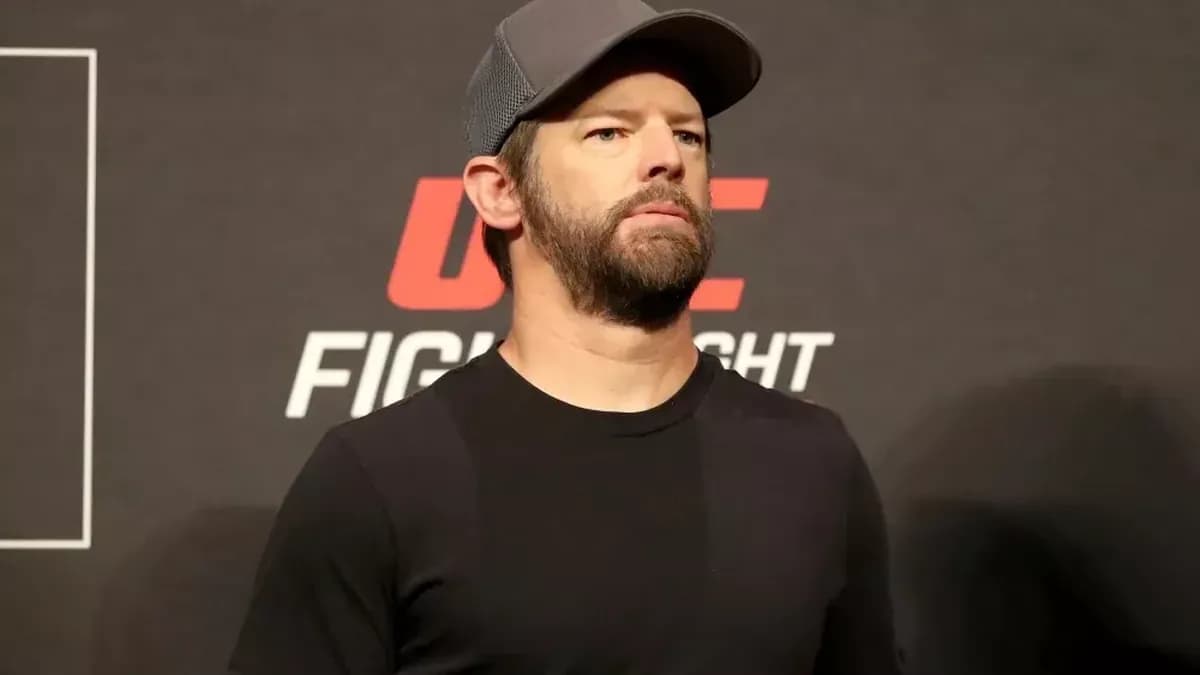
Former UFC champion Sean Strickland blasts fighter pay, calling contracts "predatory" and singling out matchmaker Sean Shelby’s role.
Hidden h2 tag if not homepage
Former UFC champion Sean Strickland has openly criticized fighter pay, calling contracts "predatory" and specifically targeting matchmaker Sean Shelby. Find out why his statements are shaking the organization.
To remember:
- Sean Strickland denounces "predatory" UFC pay, with $10,000-per-fight contracts deemed insufficient for a stable life.
- He directly calls out matchmaker Sean Shelby, criticizing his role in the organization’s contractual practices.
- Strickland’s statements reignite the debate over fighter pay in professional MMA.
A Former UFC Champion’s Crusade Against Fighter Pay
Sean Strickland, who recently lost his UFC middleweight title, has not hesitated to publicly criticize the pay offered to fighters by the organization. In a series of blunt statements, he labeled the contracts as "predatory", citing paychecks of $10,000 per fight, a sum he deems insufficient to live comfortably in the U.S. after taxes and fees.
These remarks, made on social media and in interviews, have sparked a wave of reactions across the MMA community. Strickland, known for his outspokenness, has reignited a long-standing debate: the compensation of athletes in the world’s most lucrative sport.
Sean Shelby in Strickland’s Crosshairs
Beyond pay, Strickland has taken aim at matchmaker Sean Shelby’s role. The fighter accuses Shelby of favoring certain athletes over others, influencing fight opportunities and, by extension, fighter earnings.
"Shelby doesn’t know what it’s like to live on $10,000. He decides who fights whom, and that directly impacts what we make," Strickland stated in a recent podcast. Such accusations are not new in the UFC, where matchmaking decisions are often criticized for their lack of transparency.
A System Under Fire
Strickland’s comments come as the UFC, owned by Endeavor, continues to generate billions from TV rights, sponsorships, and ticket sales. Yet, a significant portion of these revenues does not trickle down to fighter pay, which remains among the lowest in major professional sports.
With contracts paying $10,000 per fight, even established athletes struggle to make ends meet, let alone up-and-coming talents who often need side jobs to survive. Strickland, who rose rapidly before becoming champion, now embodies the frustrations of a generation of fighters who feel undervalued.
Sean Strickland’s criticism of the UFC and Sean Shelby highlights the ongoing tensions surrounding fighter pay. As the organization continues to thrive, the issue of fair compensation remains as relevant as ever in the MMA world.