
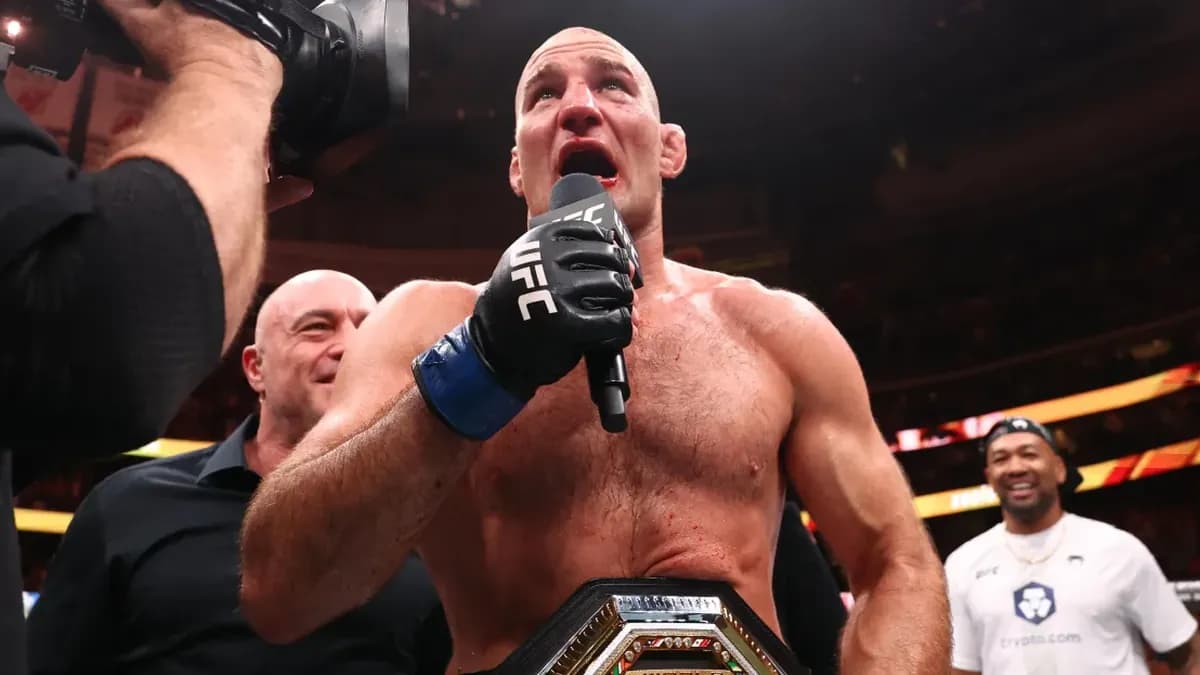
Published 4 days ago
Sean Strickland slams UFC pay disparities after winning two middleweight titles: "My work deserves better than the gap with McGregor"
Hidden h2 tag if not homepage
Sean Strickland, two-time UFC middleweight champion, sounds the alarm on pay disparities within the organization. Despite his two titles, including a surprise win over Khamzat Chimaev, he denounces unfair financial conditions, comparing his earnings to those of Conor McGregor. His statements, shared on social media, reveal growing frustration and a willingness to switch divisions to speed up his contract.
To remember:
- Sean Strickland, two-time UFC middleweight champion, criticizes pay disparities within the organization despite his success.
- He compares his earnings to those of Conor McGregor and denounces what he sees as unfair financial conditions.
- Strickland is considering moving up to light heavyweight to accelerate his contract and face Jake Paul, an option he calls "pretty tempting."
Sean Strickland, two-time UFC middleweight champion, isn’t mincing words. Despite his two titles, including a shocking win over Khamzat Chimaev in May 2024, the Californian is calling out the pay disparities plaguing the organization. His statements, posted on social media, have sent shockwaves through the MMA world: he compares his earnings to those of Conor McGregor, highlighting the absurdity of the gap between active champions and media stars.
"My work deserves better than the gap with McGregor," he fired off, clearly frustrated. Strickland, known for his blunt honesty, shines a light on a glaring paradox: while millions are poured into quick fights featuring personalities like McGregor or Jake Paul, active champions struggle to secure contracts that match their status. A situation that, in his view, demands a rethink of the UFC’s priorities.
Switching Divisions to Speed Things Up?
Faced with this frustration, Strickland is considering a radical solution: moving up to light heavyweight. A decision driven by two goals: accelerating his contract and, why not, facing Jake Paul. "It’s pretty tempting," he admits, revealing a bold strategy to force the organization’s hand. If he follows through, it could shake up the light heavyweight landscape.
His criticism doesn’t stop there. Strickland also questions the value placed on active fighters, whose in-cage performances should, in his view, take precedence over marketing. A stance that resonates with many athletes, tired of seeing their efforts overshadowed by media-driven bouts.
Sean Strickland, with his boldness and blunt honesty, sheds light on the persistent tensions within the UFC. Between pay disparities and personal strategies to address them, his case illustrates the challenges faced by champions seeking recognition. A situation that could, in the long run, redefine the power dynamics in the organization.