
Published 62 days ago
Rogan Criticizes UFC’s Economic Model: Inequality and Lack of Stability for Athletes
Hidden h2 tag if not homepage
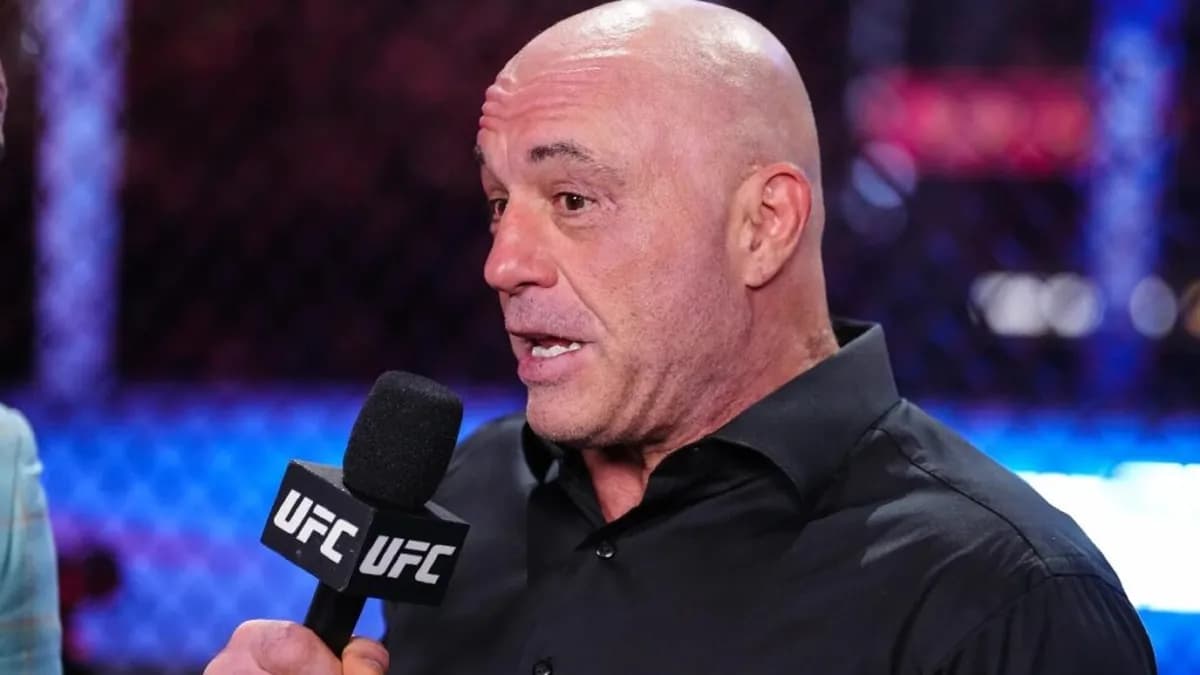
On August 13, 2026, Joe Rogan fiercely criticized the UFC’s pay structure, calling the "show-win" model deeply unfair to fighters. According to him, this system leaves athletes’ earnings too dependent on unpredictable outcomes like judges’ decisions or injuries. Rogan proposes an alternative: higher base salaries to ensure financial stability, especially for rookies.
To remember:
- Joe Rogan criticizes the UFC’s "show-win" system, calling it too unpredictable for fighters.
- He proposes higher base salaries to guarantee financial stability for athletes.
- Judges’ decisions and injuries expose fighters to unpredictable earnings.
- Rookies are particularly penalized by this unequal pay structure.
- Rogan emphasizes that current contracts weaken those who need support the most.
On August 13, 2026, Joe Rogan, a legendary figure in the UFC and its longtime commentator, stirred the pot by denouncing the promotion’s pay structure. In a series of blunt statements, he called out the "show-win" model, which ties a major portion of fighters’ earnings to their in-cage results. A system that, in his view, leaves athletes in a state of extreme financial vulnerability.
Rogan explained that this model exposes fighters to uncontrollable variables: a questionable judges’ decision, a late-camp injury, or even sheer bad luck can wipe out months of preparation. "A fighter shouldn’t have to risk their financial stability on a single fight," he stated. For him, this reliance on win bonuses is especially problematic as it primarily affects up-and-coming athletes, whose contracts are often modest and unbalanced.
A System That Punishes the Most Vulnerable
Indeed, UFC rookies typically sign contracts where their pay is split into two parts: a modest show purse and a win bonus. A structure that, according to Rogan, "weakens those who need it most." Newcomers, already struggling to make ends meet, see their income plummet after a loss, while veterans, who are better off, enjoy a safety net.Toward Contract Reform?
Rogan’s criticism comes as the debate over economic fairness in combat sports gains momentum. Former fighters like Georges St-Pierre have raised similar concerns in the past, but concrete proposals remain rare. Rogan, however, goes further by suggesting a hybrid model: higher base salaries coupled with performance-based bonuses. If adopted, this approach could drastically change fighters’ lives.The question remains whether the UFC, led by Dana White, will be receptive to these ideas. For now, the promotion maintains its stance, arguing that win bonuses motivate fighters. But with increasingly influential voices speaking out, the status quo may soon be challenged.
While the UFC’s "show-win" system has long been touted as a performance driver, its flaws are now glaring. Joe Rogan’s criticism sheds light on a harsh reality: fighters, especially newcomers, pay a heavy price in a model where financial stability hinges on luck. Between stark inequalities and a lack of protection, the time for indifference is over—what’s needed is a complete overhaul of fighter contracts.