
Published 56 days ago
UFC 330 Scandal: Coach Din Thomas Admits His Mistake Against Robertson
Hidden h2 tag if not homepage
A controversy erupts after UFC 330 when Din Thomas, Gillian Robertson’s coach, publicly ends their partnership right after her loss to Mackenzie Dern. Facing backlash, he backtracks and apologizes, admitting his behavior was "selfish and despicable".
To remember:
- Din Thomas publicly apologizes after criticizing his protégé Gillian Robertson at UFC 330.
- His lack of respect toward Robertson triggered a wave of outrage in the MMA community.
- Thomas ultimately admitted his wrongdoing, calling his behavior "selfish and despicable".
- The controversy underscores the importance of psychological support in high-level sports.
- His rare mea culpa highlights the seven-year relationship with Robertson.
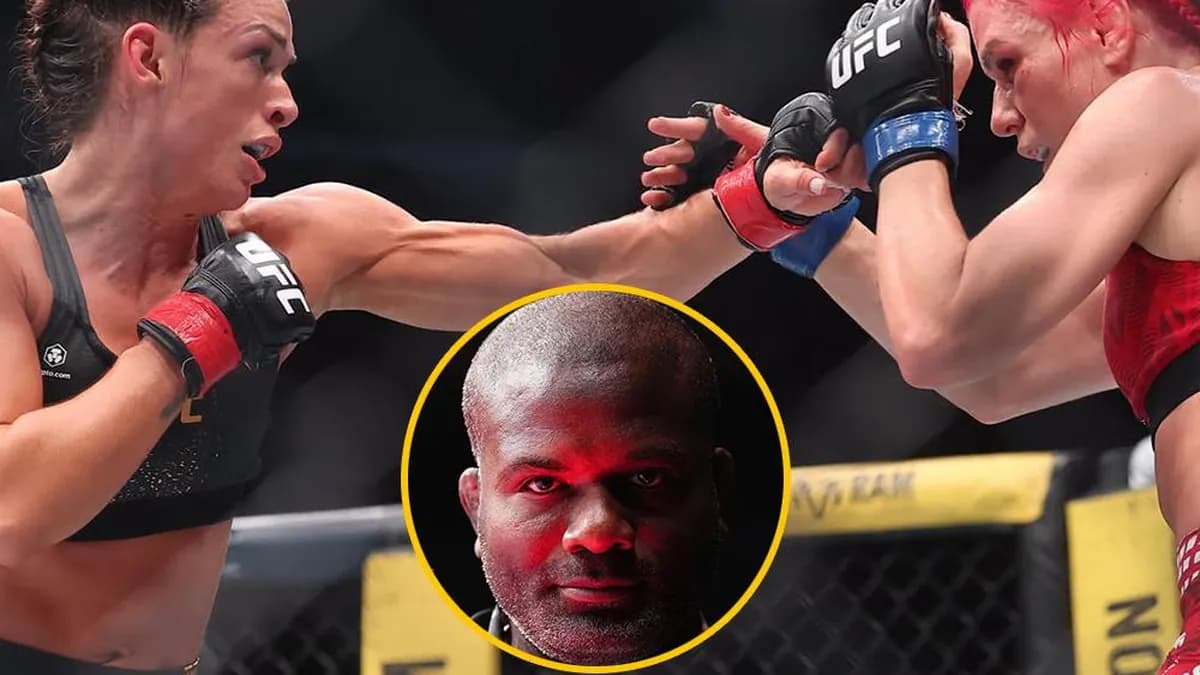
UFC 330 will go down in history as a defining moment in MMA, not for a sporting achievement, but for a controversy that shook the community. Everything unraveled after Gillian Robertson’s fight against Mackenzie Dern for the strawweight title. As Robertson suffered a humiliating defeat, her coach, Din Thomas, committed the unforgivable: he publicly announced the end of their partnership at a moment of extreme vulnerability.
His remarks, seen as a blatant lack of respect toward an athlete in distress, immediately sparked outrage. Major MMA figures, including Mackenzie Dern herself, did not hesitate to condemn his behavior. Under pressure, Thomas had to backtrack, retracting his statements in less than 24 hours. A U-turn that highlighted a recurring issue in the sport: the lack of adequate psychological support for fighters.
A Rare Mea Culpa and a Seven-Year Relationship at Stake
A few days later, Din Thomas attempted to repair the damage during an episode of the Deep Waters podcast. In front of the cameras, he offered sincere apologies, calling his behavior "selfish and despicable". "I stole her moment, it was selfish and despicable," he confessed, referencing a seven-year relationship built on hard work and trust. An admission all the more rare since coaches typically avoid such public exposure in the media.
This incident reminds us that MMA, often perceived as a brutal sport, also demands a crucial human and psychological dimension. A coach’s support is not limited to physical preparation: it must also be an emotional pillar. The community’s unanimous criticism shows just how seriously this role is taken. Yet, this controversy raises a question: how can such mistakes be avoided in the future?
This affair sheds light on the human challenges behind MMA fights. Din Thomas learned the hard way that timing and respect are essential, even in a world where performance comes first. His mea culpa, though belated, could serve as a lesson for other coaches. The question remains: will federations and clubs take steps to better support athletes’ psychological well-being?